39 products

About Ethiopian Opal

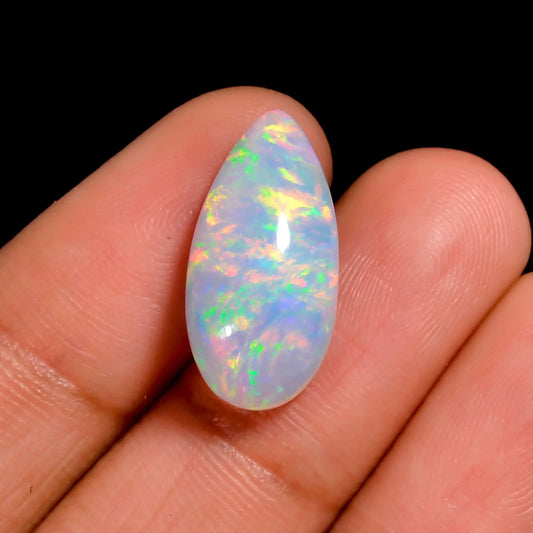
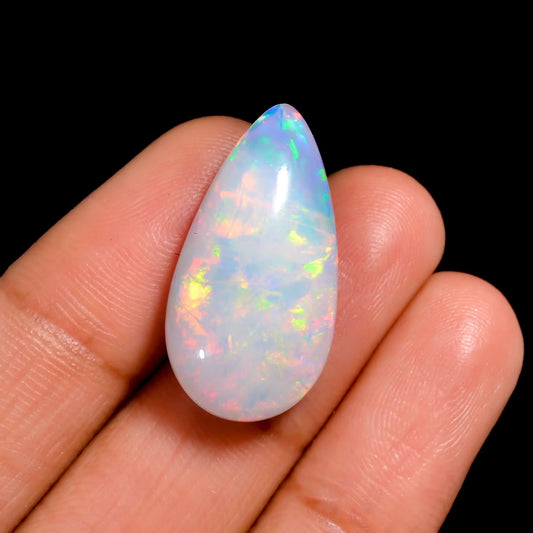
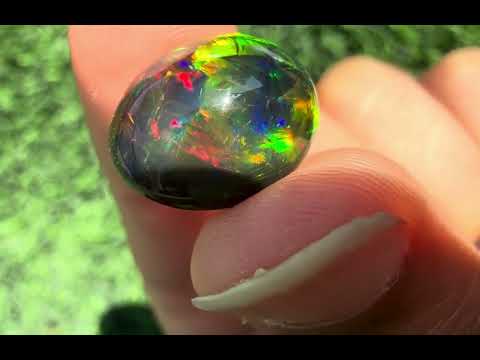
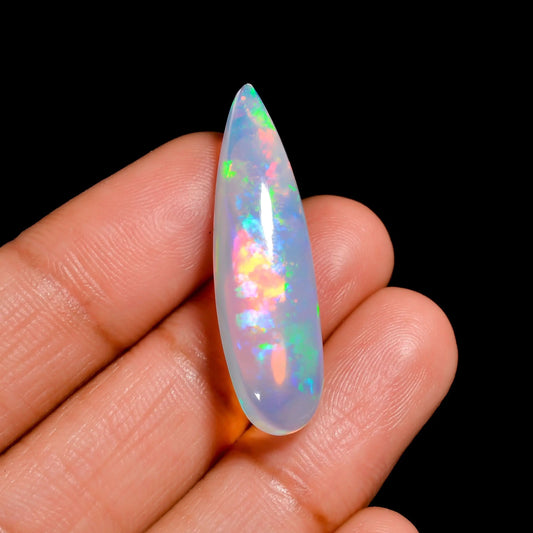
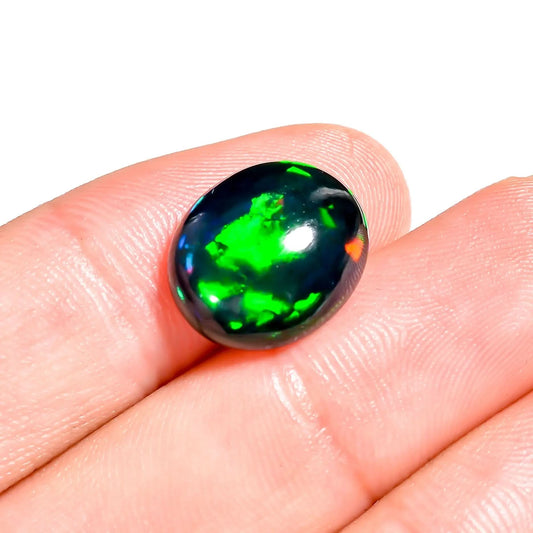
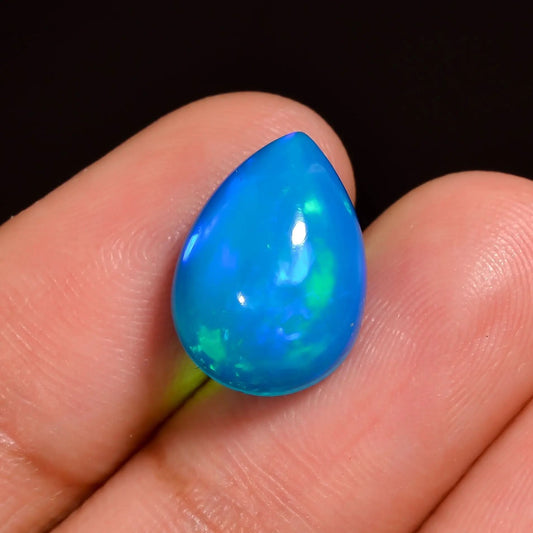
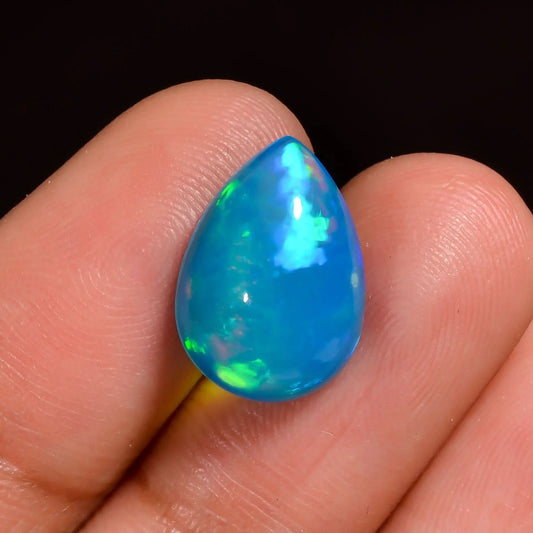
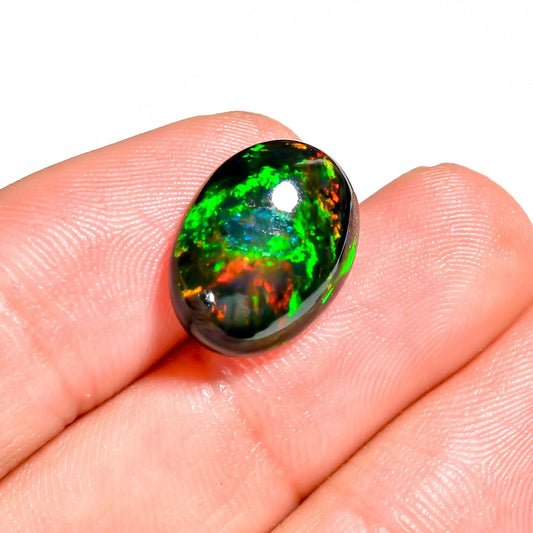
Ethiopian Opal, also known as Welo Opal, is a vibrant and affordable gemstone renowned for its immense beauty. This precious gem of the Opal family is distinguished by its "flaming body colors," which appear in shades of yellow, orange, red, brown, and green. Its distinctive "play-of-color"—the shimmering interplay of hues—makes it a truly exceptional addition to any jewelry collection.

This captivating gemstone is not only visually stunning but also regarded as a potent stone that can bring about positive changes in one's life. Compared to Black or White Opals, Ethiopian Opals are more readily available and affordable, which is why they are widely utilized in custom jewelry designs. Their growing popularity is attributed to their spectacular "fire" and their pocket-friendly price range.

Ethiopian Opal Properties

Ethiopian Opal Chemical Formula: Its chemical formula is $SiO_{2} \cdot nH_{2}O$ (Hydrated Silica).

Ethiopian Opal Hardness: On the Mohs scale, it ranges from 5.5 to 6, making it suitable for jewelry.

Ethiopian Opal Specific Gravity: Its specific gravity is 2.15 (+0.08, -0.90).

Ethiopian Opal Refractive Index: Its refractive index falls between 1.37 and 1.47, which determines its luster.

Ethiopian Opal Diaphaneity (Transparency): This stone can be found in all three forms: Opaque, Translucent, and Transparent.

Ethiopian Opal Price

Natural Ethiopian Opals are quite affordable in today's market, but this will not always be the case. Older mines, such as those in Australia, are now becoming depleted, which has caused the prices of Opals from those regions to rise significantly. Currently, there is a good availability of raw material in Ethiopia; however, over time, supplies will diminish, and we can expect to see a substantial hike in prices. Therefore, now is the ideal time to invest in top-grade Ethiopian Opals.

Valuation Factors

The price of an Ethiopian Opal depends on its body color, clarity, cut, and carat weight. The highest value is placed on stones that display a consistent "play-of-color" from every angle. Stones with less "fire" (brilliance) are generally available at lower prices.

Ethiopian Opal Price Range: The price of an Ethiopian Opal can range from approximately $80 to $500 per carat (depending on quality).

Authentic and natural Opal gemstones should always be purchased from a trusted source. ArmoniaGems provides you with 100% natural, authentic, and untreated Opals that are perfect for both astrological and jewelry purposes. When you buy opals online from our website, you will receive a 20% discount on every product. You will find the finest quality and best prices only here at ArmoniaGems.

Frequently Asked Questions

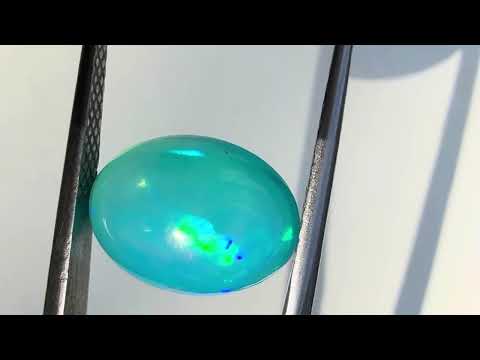
The most distinctive feature of Ethiopian Opals is their hydrophane nature, which sets them apart completely from other gemstones found worldwide. These gemstones are porous and possess the ability to absorb water. When they come into contact with water, they temporarily become transparent, causing their "play-of-color" to emerge with even greater brilliance.

Key Characteristics of Ethiopian Opals

Volcanic Origin: While most gemstones form within sedimentary rocks, Ethiopian Opals originate from volcanic ash. This is precisely why they exhibit such vivid and diverse colors.

Vibrant Patterns: You will find patterns in these opals that are found nowhere else—such as the famous "Honeycomb" and "Broad Flash" patterns. The luster of their colors (manifesting as red, green, and blue flashes) is truly brilliant.

Crystal-Like Structure: Their structure is quite crystalline and glassy, ​​lending them a premium aesthetic.

Durability & Value: These gemstones are notably resistant to "crazing" (cracking). Best of all, despite their high quality and immense beauty, they remain significantly more affordable compared to Australian Opals.

Care Note: Since they are porous, they should be kept away from chemicals, oils, and perfumes to ensure that their natural beauty remains preserved over time.

The primary reason for the immense popularity of Ethiopian Opals in 2026 is their "Unique Visual Identity" and the evolving landscape of jewelry fashion.

One-of-a-Kind Aesthetics: Nowadays, people prefer items that are truly unique rather than mass-produced jewelry. Each Ethiopian Opal stone is distinct from the next—thanks to its signature "Honeycomb" or "Neon Flash" patterns—imbuing every piece with an exclusive, "signature" look.

Dominance in Statement Rings & Pendants: In 2026, there is a massive craze for statement rings and large pendants. Ethiopian Opals are perfectly suited for these designs due to their substantial size and "broad flash" patterns. Their brilliance is visible from a distance, making them a top choice for party and wedding attire.

Layered Necklaces Trend: Currently, layering opal-beaded necklaces and delicate opal pendants has emerged as a major fashion statement. Their translucent, glassy appearance complements every type of outfit—whether modern or traditional.

Volcanic Brilliance at Better Value: Their volcanic origin endows them with incredibly vivid, neon-like colors that are available at a significantly more affordable price point compared to Australian opals. Buyers are thus able to acquire a "high-end luxury" look at a fraction of the cost.

Durability and Stability: Previously, people were apprehensive about opals, fearing they would quickly develop cracks (known as "crazing"); however, Ethiopian Welo Opals are remarkably resilient. Thanks to this stability, designers are now confidently incorporating them into daily-wear rings and intricate necklace designs.

The "Hydrophane" Fascination: A gemstone capable of transforming its appearance when exposed to water holds immense appeal for modern consumers. This "chameleon-like" property transforms the jewelry into a fascinating "talking point."

Yes, you can wear Ethiopian Opal jewelry every day, but doing so requires a little extra care and the right setting.

Since the structure of Ethiopian Opal jewelry differs from that of other gemstones, the following points should be kept in mind for daily wear:

Mind the Hardness: On the Mohs scale, their hardness ranges from 5.5 to 6.5. This means they are somewhat softer than Diamonds or Sapphires and are susceptible to scratching.

The Right Setting Matters: If you wish to wear a ring daily, always opt for a Bezel Setting (where the metal completely encircles the stone) or a Halo Setting. These settings protect the stone's edges from accidental damage. Pendants and earrings are the safest options for daily wear, as they are less likely to repeatedly bump against objects.

Hydrophane Care: Their porous nature makes them "thirsty." When wearing them daily, be careful to avoid contact with perfumes, lotions, or hairsprays. These substances can be absorbed into the stone, permanently altering its color (a phenomenon known as "yellowing").

Water Exposure: It is best to remove your opal rings when washing your hands or taking a shower. Although exposure to water may temporarily cause them to appear transparent, repeated contact with soapy or chemically treated water can dull their natural brilliance.

Activity-Based Wear: Store your jewelry safely in a box while performing household chores, working out at the gym, or engaging in heavy cleaning tasks.

Ethiopian Opal is perfect for daily wear only if you adhere to the rule: "It should be the last thing you put on, and the first thing you take off."

Ethiopian Opal is renowned not only for its beauty but also for its "high-vibration" energy. In the spiritual realm, it is referred to as "The Stone of Awakening."

Spiritual Benefits of Ethiopian Opals

Emotional Amplifier: Ethiopian Opal is regarded as an "Emotional Mirror." It is said to amplify—or heighten—the true emotions hidden deep within you. It grants you the courage to move past old fears and insecurities, enabling you to move forward in life.

Enhancing Creativity: Much like its mesmerizing "play-of-color," this stone stimulates the wearer's imagination and creativity. It is considered an auspicious stone for artists and writers, helping to dissolve "creative blocks."

Spiritual Protection: It is believed that this gemstone creates a protective shield (aura) around the wearer, guarding against negativity and the "evil eye".

Chakra Connection: Ethiopian Opal is primarily associated with the Crown Chakra and the Sacral Chakra. It aids in establishing a connection with the universe and awakening a sense of inner joy.

Karma and Transformation: Due to its volcanic origin, this stone embodies "Fire Energy." It is considered instrumental in releasing old karmic patterns and facilitating positive, transformative changes in one's life.

Meditation & Visualization: The energy of this gemstone sharpens your "inner vision." For those who practice visualization meditation, this stone helps to bring their dreams and goals into sharper focus.

Before beginning your meditation practice, hold the opal in both hands and set a positive "intention." Its unique blend of "Water and Fire" energy will deepen your meditative experience.

For spiritual cleansing, people often place their opals under the light of the moon. This practice helps to recharge the stone's energy.

The Ethiopian Opal is no ordinary gemstone; it is a natural discovery that represents a perfect blend of science and beauty. Its unique "specialty" lies in the following points:

The 3D Fire Effect: While Australian opals often appear flat or "2D," Ethiopian Opals are predominantly translucent to transparent. Consequently, their "play-of-color" is visible deep within the stone, creating a magical 3D effect.

Rare & Exotic Patterns: These stones feature patterns found nowhere else in the world. The most notable is the "Honeycomb Pattern"—where flashes of color resemble the structure of a beehive.

Additionally, patterns such as "Snake Skin" and "Digital" make these gems exceptionally special for collectors.

Chameleon-like Nature (Hydrophane): Its most unique characteristic is its interaction with water. This gemstone can absorb water to become completely transparent, only to revert to its original color once it dries. This "magic" is a feature not found in any other popular gemstone.

Exceptional Value for Size: Ethiopian Opals are frequently found in large sizes (carats)—dimensions that would command extremely high prices in Australian opals. You can acquire a large, brilliant stone with high-quality "fire" at a highly competitive price, making it a "high-impact" choice for jewelry.

Untouched Volcanic Beauty: While most opals form within sedimentary rocks, these gems are of volcanic origin. Born from volcanic ash, they possess a distinct energy and a unique, neon-like brilliance.

Yes, Ethiopian Opal is a completely genuine and natural gemstone. It is neither a lab-created nor a synthetic stone. It is primarily mined from the hills of the Wello Province in Ethiopia.

To verify its authenticity, please consider the following points:

Natural Formation: It forms naturally deep within the Earth, amidst volcanic rocks and ash, over the course of thousands of years. Its origin is intrinsically linked to volcanic activity, making it an organic and genuine gemstone.

Lab-Grown vs. Natural: Synthetic (lab-made) opals often exhibit patterns that appear overly "perfect" and "symmetrical," which can sometimes give them a plastic-like appearance. In contrast, Natural Ethiopian Opals feature inherent irregularities, and the "fire" pattern within each stone is unique—serving as the most definitive hallmark of its authenticity.

GIA Recognition: The world's leading gemological authority, the GIA (Gemological Institute of America), officially recognizes and certifies Ethiopian Opal as a natural precious opal.

The Hydrophane Test: Another distinguishing characteristic of genuine Ethiopian Opal is its ability to absorb water. If you place the stone in water and it begins to become transparent, this demonstrates its natural "hydrophane" property—a trait absent in imitation stones.

When you select an Ethiopian Opal from our collection, you are acquiring a genuine, natural gemstone sourced directly from the mines of Ethiopia.