

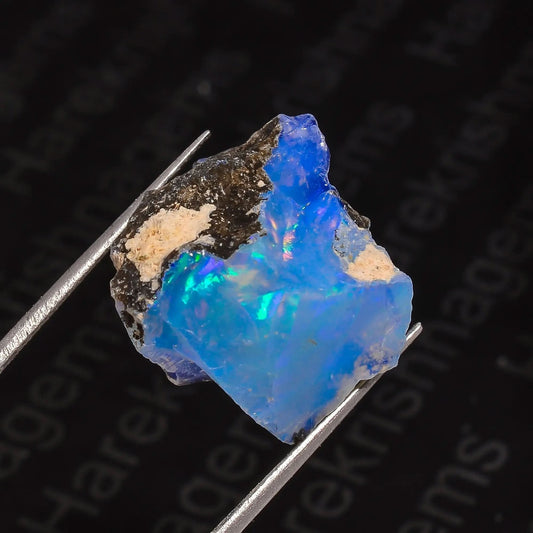
Earth-mined Rough Ethiopian Opal | Natural Raw Gemstones (20X17X13 mm) with vibrant play of color
Weight (Ct) 13.5 Ct. Gemstone Natural Ethiopian Opal Type Welo Opal Item Weight 2.7 Gram Stone Size 20 × 17 × 13 mm Piece 1 Origin Ethiopia Cut Rough / Uncut / Raw Transparency Translucent to semi-clear Color Play Multicolor flashes (green, orange, red, blue) Treatment None (100% natural and...
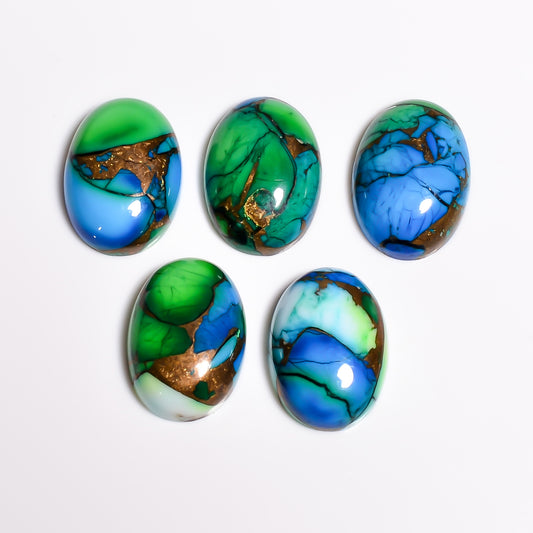
Green Mohave Turquoise Oval Stone 14x10 MM - Green and Blue Loose Cabochon
Green Mohave Turquoise loose turquoise gemstone in Oval shape, 14x10 MM. A turquoise stone suited for jewelry making. Available in 1 PCS, 3 PCS and 5 PCS. Stone Name Green Mohave Turquoise Stone Type Green and Blue Copper Turquoise Cabochon Color Light Green (with bright blue and mint patches), with...
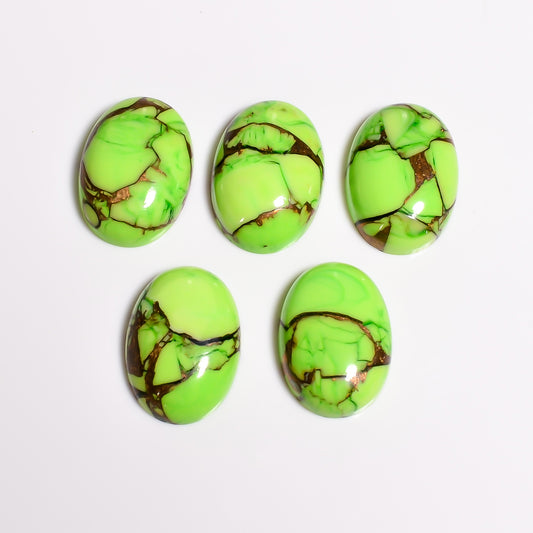
Oval Green Mohave Turquoise Stone - 14x10 MM Loose Turquoise Cabochon
Green Mohave Turquoise loose turquoise gemstone in Oval shape, 14x10 MM. A turquoise stone suited for jewelry making. Available in 1 PCS, 3 PCS and 5 PCS. Stone Name Green Mohave Turquoise Stone Type Green Copper Turquoise Cabochon Color Light Green (lime green), with copper and dark brown veins Shape...
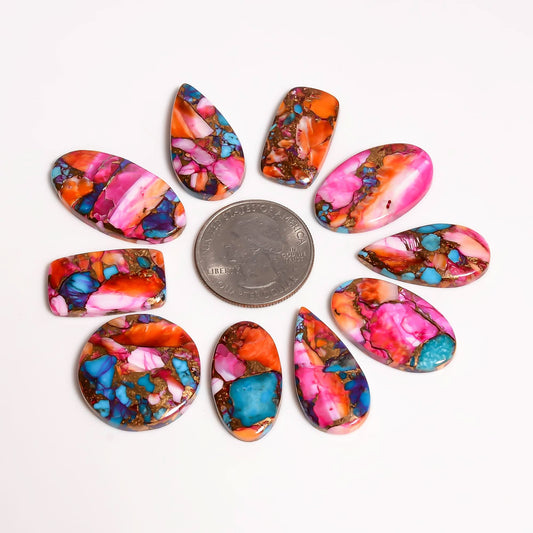

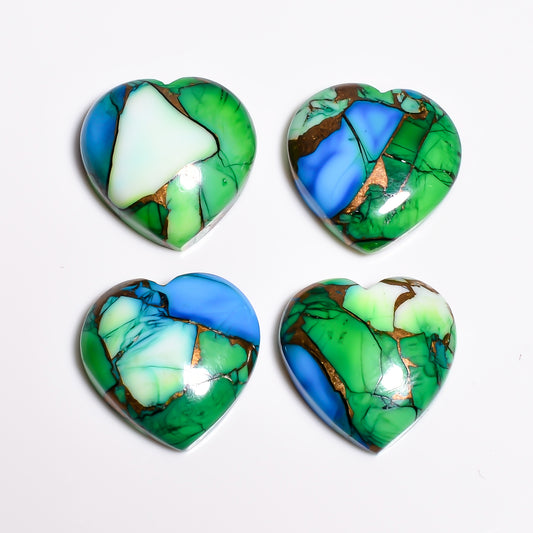
Green Mohave Turquoise Heart 15 MM - Green and Blue Loose Turquoise Stones
Green Mohave Turquoise loose turquoise gemstone in Heart shape, 15 MM. A turquoise stone suited for jewelry making. Available in 1 PCS, 3 PCS and 5 PCS. Stone Name Green Mohave Turquoise Stone Type Green Mohave Turquoise Cabochon Color Green (with vivid blue and white patches and copper veins) Shape...
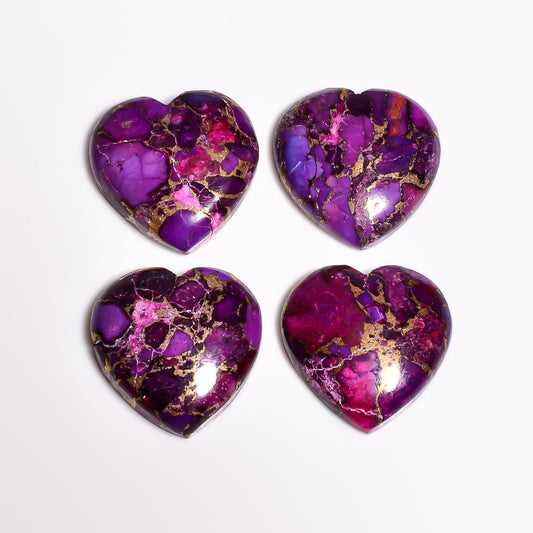
Purple Spider Copper Turquoise Heart 15 MM - Loose Turquoise Heart Stones
Purple Spider Copper Turquoise loose turquoise gemstone in Heart shape, 15 MM. A turquoise stone suited for jewelry making. Available in 1 PCS, 3 PCS and 5 PCS. Stone Name Purple Spider Copper Turquoise Stone Type Purple Spider Copper Turquoise Cabochon Color Purple (violet, plum and magenta with gold copper...

Sky Blue Turquoise Teardrop Cabochon, 14x10 MM Pear Shape - Soft Blue Loose Turquoise Stone
Sky Blue Turquoise loose turquoise gemstone in Pear shape, 14x10 MM. A turquoise stone suited for jewelry making. Available in 1 PCS, 3 PCS and 5 PCS. Stone Name Sky Blue Turquoise Stone Type Copper Matrix Turquoise Cabochon Color Light Blue (sky blue), with bronze-brown copper matrix Shape Pear Size...
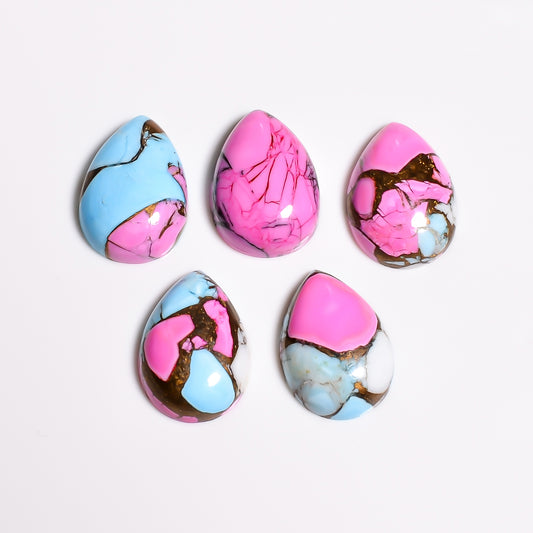
Pink and White Mohave Turquoise - Pear 14x10 MM Loose Turquoise Stones
Pink and White Mohave Turquoise loose turquoise gemstone in Pear shape, 14x10 MM. A turquoise stone suited for jewelry making. Available in 1 PCS, 3 PCS and 5 PCS. Stone Name Pink and White Mohave Turquoise Stone Type Pink and White Copper Turquoise Cabochon Color Pink and White, with sky...
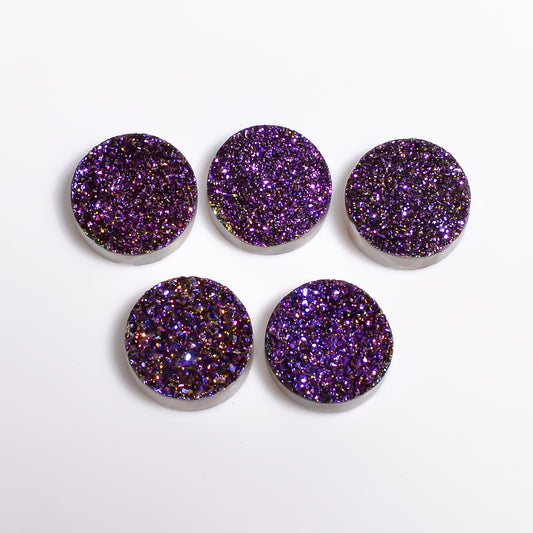



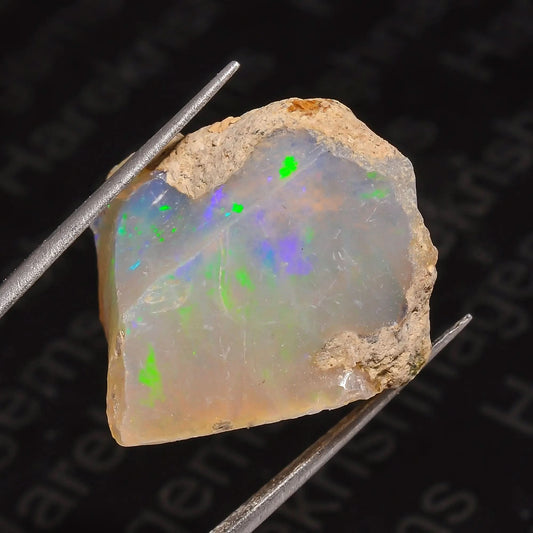
25.5 Ct Raw Ethiopian Opal | Natural Rough Welo Opal Stone with Multicolor Fire Opal | 23x21x15 MM
Feature Details Weight 25.5 Ct. (5.1 Gram) Gemstone Natural Ethiopian Opal Type Welo Opal (Raw / Rough) Stone Size 23 × 21 × 15 MM Cut Rough / Uncut / Raw Color Play Green, Orange, Red & Blue Multicolor Flash Pattern Broadflash / Rolling Flash Transparency Translucent to Semi-Clear Treatment...




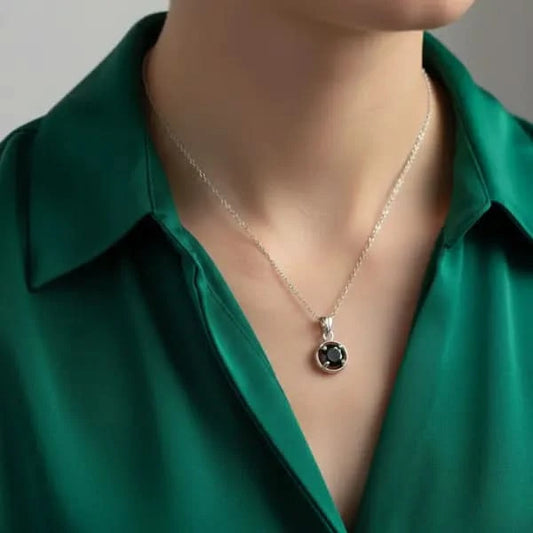
Black Spinel Pendant Necklace in silver plated – Minimal Gemstone Pendant Necklace for Women
Stone Name Black Spinel Stone Shape Round Stone Cut Faceted Stone Treatment Natural Metal 925 Sterling Silver (Hallmarked) Pendant Type Gemstone Pendant Necklace Chain Length 16 inches + 2 inch extender Finish Polished Fit & Style Minimal / Everyday Wear Gemstone Authenticity Natural Gemstone Craftsmanship Handcrafted Jewelry Certification Authenticity Certificate...

Ethiopian Opal Bracelet in 925 Sterling Silver – 22–25 Ct
Weight (ct) 22 to 25 Cts Stone Size 4 to 5.5 mm Metal Genuine Sterling Silver Bracelet Length 8 Inch Gemstone Type Natural Gemstone Certificate Authenticity Certificate Included Craftsmanship Handcrafted Jewelry
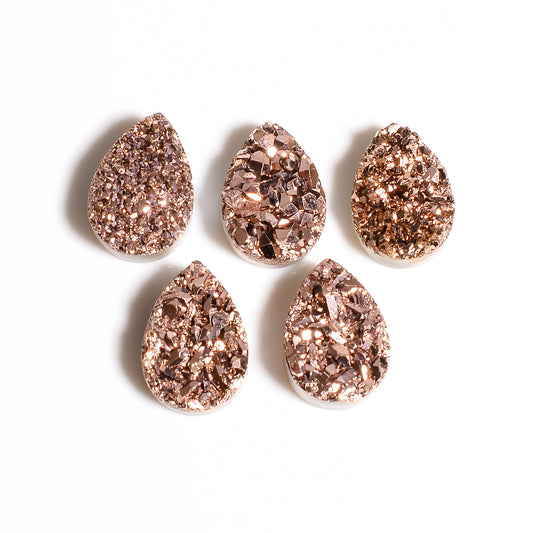
Rose Gold Titanium Rainbow Quartz Pear Cabochon Stone for Earrings and Pendants
Stone Rainbow Titanium (rainbow quartz titanium) Colour Rose gold with metallic sheen Cut Pear, smooth cabochon Base Flat Size range 10.0x7 mm, 14.0x10 mm, 16.0x12 mm, 21.0x7 mm Approx. weight 1.00 to 7.10 ct per piece Order quantity 1, 3 or 5 pieces Made for Earrings, pendants, rings

Amethyst Raw Chip Bracelet | Adjustable Purple Gemstone Jewelry
Stone Name Natural Amethyst Crystal Stone Shape Raw Chip Nugget Stone Cut Natural Uncut Chip Beads Stone Color Purple Amethyst Stone Grade Good Quality Treatment Natural Bracelet Style Amethyst Chip Beads Bracelet Bracelet Length 7 Inch Chain + 1 Inch Extender Metal 925 Sterling Silver (Hallmarked) Gemstone Type Natural Amethyst...
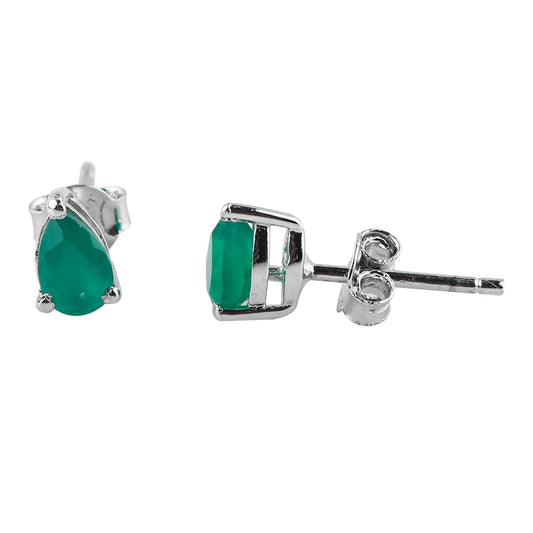
Authentic Green Onyx Stud Earrings crafted with silver plated
Stylish and Meaningful Studs for Women Stone Name Green Onyx Stone Color Green Stone Size 6X4 MM approx Stone Shape Pear Stone Cut Brilliant Cut Origin Country Greece Stone Grade AA+ Quality Metal Rhodium Plated 925 Sterling Silver Setting Type Prong Setting (Push Back) Elegant Design with Natural Gemstone Our...
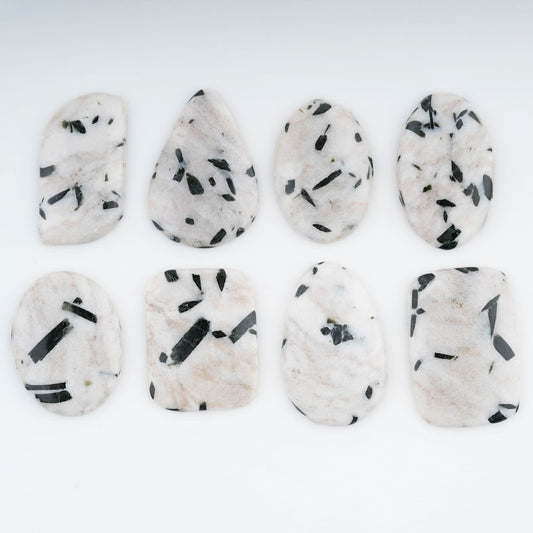


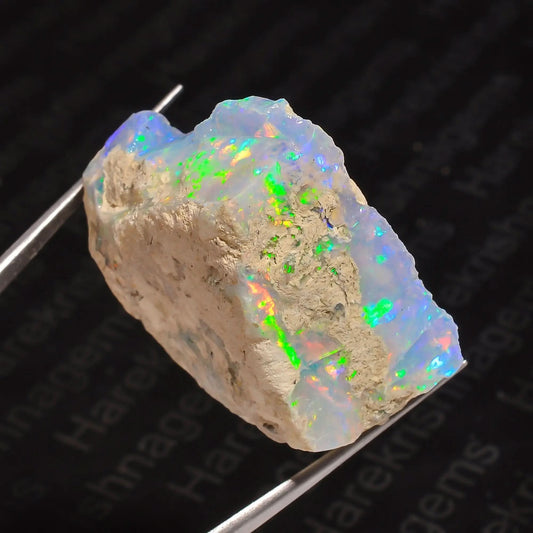

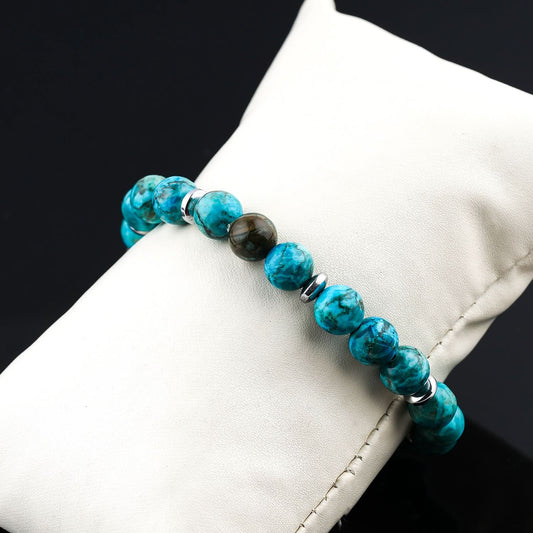
Blue Turquoise Bracelet 8mm Natural Stone | Unisex 925 Silver Stretch Band
Stone Name Blue Turquoise Perfect For Man and Women Stone Shape Round Beaded Stone Cut Polished Gemstone Beads Stone Quality Good Quality – Hand Selected Treatment Natural Bracelet Length Approx. 7 inches (Elastic Stretch Fit) Bead Size 8 mm (Approx.) Metal Genuine 925 Sterling Silver (Hallmarked) Gemstone Type Natural Gemstone...
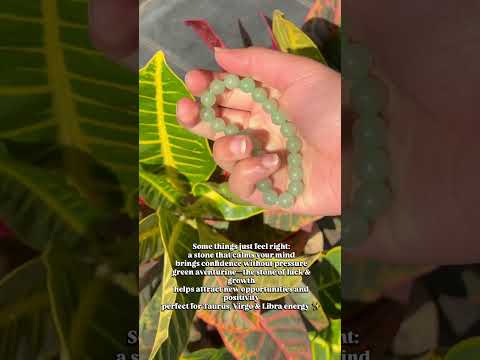

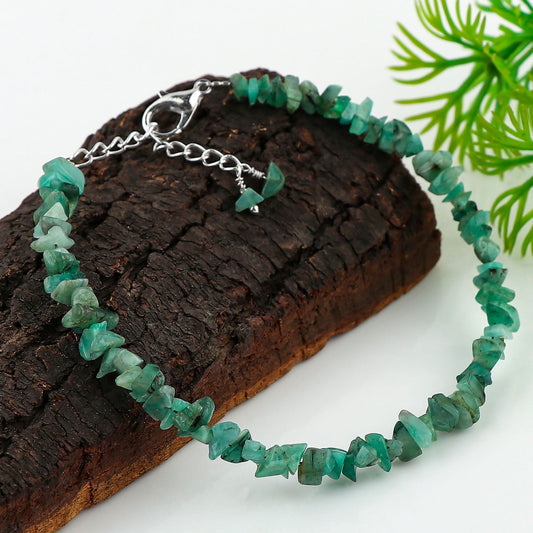
Emerald Raw Chip Nugget Bracelet with Silver Plated Chain
Stone Name Emerald Stone Shape Irregular Stone Cut Raw Chips Nuggets Stone Grade Good Quality Treatment Natural Bracelet Length 7 inch chain + 1 inch extender Metal Genuine 925 Sterling Silver (Hallmarked) Gemstone Type Natural Gemstone Certificate Authenticity Certificate Included Craftsmanship Handcrafted Jewelry
Ethiopian Opal Bracelet in 925 Sterling Silver – 22–25 Ct
Weight (ct) 22 to 25 Cts Stone Size 4 to 5.5 mm Metal Genuine Sterling Silver Bracelet Length 8 Inch Gemstone Type Natural Gemstone Certificate Authenticity Certificate Included Craftsmanship Handcrafted Jewelry

Blue Fire Ethiopian Opal Chips Bracelet in 925 Sterling Silver – 11–13 Ct
Weight (ct) 11 to 13 cts Stone Size 4 to 5 mm Metal Genuine 925 Sterling Silver (Hallmarked) Bracelet Length 8.5 inch Gemstone Type Natural Gemstone Certificate Authenticity Certificate Included Craftsmanship Handcrafted Jewelry

Opal Chips Bracelet in 925 Sterling Silver – Yellow Fire, 11–13 Ct
Weight (ct) 11 to 13 cts Stone Size 4 to 5 mm Metal Genuine 925 Sterling Silver (Hallmarked) Bracelet Length 8.5 inch Gemstone Type Natural Gemstone Certificate Authenticity Certificate Included Craftsmanship Handcrafted JewelryDrag the slider to See the Difference
 After
After
 Before


Rainbow titanium quartz is natural quartz with a thin metallic coating that gives it a color-shifting, mirror-like finish. It is also sold as aura quartz, titanium rainbow quartz, and rainbow quartz titanium. The quartz underneath is natural. The color comes from the coating. This guide explains how the stone is made, what its properties are, what it means in crystal traditions, and how to choose the right color, shape, and size for jewelry making. What is rainbow titanium quartz? Rainbow titanium quartz is natural quartz coated with a thin layer of titanium, often combined with other metals. The coating bends light and creates flashes of blue, purple, rose gold, or platinum. It is a treated stone, not a naturally occurring color. In the trade it is also called aura quartz. You will see several names for the same type of stone. On our product pages we use "rainbow titanium," "titanium rainbow quartz," "rainbow quartz titanium," and "aura quartz." They all describe quartz with a metallic surface finish. In this guide we use one term: rainbow titanium quartz. We also stock titanium window druzy. This is a different cut. It has a sparkling crystal (druzy) face instead of a smooth polished top. We cover it separately below. How is rainbow titanium quartz made? Rainbow titanium quartz is made by bonding a thin metal layer to a quartz stone inside a vacuum chamber. This process is called vacuum deposition. The metals turn to vapor and settle on the stone's surface. The metal blend and the thickness of the layer decide the final color. The process follows five steps: Cut and polish. Natural quartz is shaped into a cabochon (round, oval, or pear) and polished. Clean. The stone is cleaned so the coating bonds evenly. Load. The stones are placed in a vacuum chamber. Deposit. Titanium and other metals are vaporized and form a thin film on the surface. Finish. The stones are checked for color and even coverage. The exact metals and settings vary by manufacturer. This is why two batches of the same color can look slightly different. What color is titanium? Natural titanium is a silvery gray metal. The blue, purple, and gold you see on titanium jewelry are not its own color. They come from a very thin surface layer that bends light, the same way a soap bubble or an oil slick shows rainbow colors. Rainbow titanium quartz works on the same principle. A change in layer thickness or metal blend shifts the color from blue to purple to rose gold. What are the properties of rainbow titanium quartz? Rainbow titanium quartz has the properties of quartz underneath and the look of a metallic coating on top. The quartz base is hard and durable. The coating is thin, so it can be worn with rough handling or harsh chemicals. Property Details Base stone Natural quartz Hardness (quartz) 7 on the Mohs scale Surface Thin metal coating (titanium, often with other metals) Luster Metallic, iridescent Treatment Coated (enhanced) Colors we stock Purple, rose gold, platinum, blue Shapes Round, oval, pear Back Flat back Sizes 8 mm to 21 mm on the longest side Weight About 1.00 to 7.28 ct per piece (flat back styles) The Mohs rating of 7 applies to the quartz. The coating can scratch or wear before the quartz does, so protect the surface in rings and bracelets. What does rainbow titanium quartz mean? In crystal healing traditions, aura quartz is linked with creativity, positive energy, and emotional balance. Blue shades are often connected to calm and clear communication. Rose gold tones are connected to warmth and self-love. Purple is often tied to intuition. These meanings come from spiritual and folk belief. They are not scientifically proven. Most of our customers choose the stone for its color and finish, and use the meaning as an extra personal touch. What colors and shapes does rainbow titanium quartz come in? We stock four colors in flat back cabochons: purple, rose gold, platinum, and blue. Each is available in round, oval, or pear, except platinum, which is currently round only. All sizes below come from our product pages. Color Shapes Sizes (mm) Good for Purple Round, pear, oval Round 8x8 to 12x12; pear 10x7 to 21x7; oval 8x6 to 21x7 Rings, pendants, dangle earrings, bracelets Rose gold “ “ “ “ “ “ “ “ “ “ “ “ “ “ “ “ “ “ “ “ “ “ “ “ “ “ Studs, rings, pendants, earrings Platinum “ “ “ “ “ “ “ “ “ “ “ “ “ 8mm to 12mm Rings, studs, pendants, bracelets Blue “ “ “ “ “ “ “ “ “ “ “ “ “ Round 8 to 12; pear 10x7 to 21x7; oval 8x6 to 16x12 General jewelry making Titanium window druzy is a separate style with a crystal druzy face. We offer it in blue as pear (12x8 to 20x10 mm) and oval (10x8 to 20x10 mm). Weight runs from about 2.56 to 9.30 ct per piece. How to choose the right shape and size for rainbow titanium cabochons for jewelry? Choose the shape by the type of jewelry, then the size by how much stone you want to show. Studs: Round, 8 to 10 mm. Round stones sit evenly and look balanced. Dangle earrings: Pear, 10x7 to 16x12 mm. The teardrop shape hangs well. Pendants: Pear or oval, 14x10 mm and larger. Bigger stones show more color shift. Rings: Oval or round, 8x6 to 12x10 mm. Keep the stone low in a bezel setting. Bracelets: Oval, 10x8 mm and larger, spaced along a chain or band. More sparkle: Window druzy adds texture and a crystal surface. The flat back makes the stones easy to glue or set in a bezel. How do you care for rainbow titanium quartz? Clean rainbow titanium quartz with a soft, damp cloth and keep it away from abrasives and harsh chemicals. The coating is thin, so gentle care keeps the color vivid for longer. Do not use ultrasonic cleaners or steam. Wipe with a soft, damp cloth. Dry it right after. Store it apart from harder stones and metal tools. Use a bezel setting for rings to protect the surface. Remove rings before heavy work, gym sessions, or gardening. Keep it away from perfume, bleach, chlorine, and cleaning products. Conclusion Rainbow titanium quartz is natural quartz with a thin metal coating, and that coating is what creates its blue, purple, rose gold, or platinum shimmer. The quartz base has a Mohs hardness of 7, but the coating is thin, so gentle care matters, especially in rings. When you choose a stone, start with the jewelry type. Round stones suit studs, pear stones suit dangle earrings and pendants, and oval stones suit rings and bracelets. Then pick the size and color that fits your design. The meaning of the stone comes from crystal traditions and is a matter of belief, not science. Whether you buy it for its look or its symbolism, check the size, shape, and color on the product page before you order. FAQ About Rainbow Titanium Cabochon Q1. Is rainbow titanium quartz natural? Ans. The quartz is natural. The rainbow color is not. It comes from a metal coating applied in a vacuum chamber, so the stone is classed as treated or enhanced. Q2. Is rainbow titanium quartz the same as aura quartz? Ans. Yes. Aura quartz, titanium rainbow quartz, rainbow aura titanium quartz, and rainbow quartz titanium are different names for quartz with a metal coating. Q3. Does rainbow titanium quartz contain real titanium? Ans. Titanium is used in the coating, often alongside other metals. The exact blend depends on the manufacturer. The stone is not solid titanium. It is quartz with a thin metal layer. Q4. What color is titanium naturally? Ans. Silvery gray. Other colors come from a thin oxide layer or a coating that bends light. Q5. Will the color fade? Ans. The color does not fade like a dye. The coating can wear down with scratches, rough use, or harsh chemicals. Gentle cleaning and protective settings keep it looking new. Q6. Can I use rainbow titanium quartz in rings? Ans. Yes. Use a bezel setting to protect the coated surface. Pendants and earrings get less wear, so they are the safest choice for daily use. Q7. What is the difference between rainbow titanium and window druzy? Ans. Rainbow titanium has a smooth polished top. Window druzy has a crystal-covered face, which gives a sparkling, textured look. Both have a metallic titanium finish.
Rainbow titanium quartz is natural quartz with a thin metallic coating that gives it a color-shifting, mirror-like finish. It is also sold as aura quartz, titanium rainbow quartz, and rainbow quartz titanium. The quartz underneath is natural. The color comes from the coating. This guide explains how the stone is made, what its properties are, what it means in crystal traditions, and how to choose the right color, shape, and size for jewelry making. What is rainbow titanium quartz? Rainbow titanium quartz is natural quartz coated with a thin layer of titanium, often combined with other metals. The coating bends light and creates flashes of blue, purple, rose gold, or platinum. It is a treated stone, not a naturally occurring color. In the trade it is also called aura quartz. You will see several names for the same type of stone. On our product pages we use "rainbow titanium," "titanium rainbow quartz," "rainbow quartz titanium," and "aura quartz." They all describe quartz with a metallic surface finish. In this guide we use one term: rainbow titanium quartz. We also stock titanium window druzy. This is a different cut. It has a sparkling crystal (druzy) face instead of a smooth polished top. We cover it separately below. How is rainbow titanium quartz made? Rainbow titanium quartz is made by bonding a thin metal layer to a quartz stone inside a vacuum chamber. This process is called vacuum deposition. The metals turn to vapor and settle on the stone's surface. The metal blend and the thickness of the layer decide the final color. The process follows five steps: Cut and polish. Natural quartz is shaped into a cabochon (round, oval, or pear) and polished. Clean. The stone is cleaned so the coating bonds evenly. Load. The stones are placed in a vacuum chamber. Deposit. Titanium and other metals are vaporized and form a thin film on the surface. Finish. The stones are checked for color and even coverage. The exact metals and settings vary by manufacturer. This is why two batches of the same color can look slightly different. What color is titanium? Natural titanium is a silvery gray metal. The blue, purple, and gold you see on titanium jewelry are not its own color. They come from a very thin surface layer that bends light, the same way a soap bubble or an oil slick shows rainbow colors. Rainbow titanium quartz works on the same principle. A change in layer thickness or metal blend shifts the color from blue to purple to rose gold. What are the properties of rainbow titanium quartz? Rainbow titanium quartz has the properties of quartz underneath and the look of a metallic coating on top. The quartz base is hard and durable. The coating is thin, so it can be worn with rough handling or harsh chemicals. Property Details Base stone Natural quartz Hardness (quartz) 7 on the Mohs scale Surface Thin metal coating (titanium, often with other metals) Luster Metallic, iridescent Treatment Coated (enhanced) Colors we stock Purple, rose gold, platinum, blue Shapes Round, oval, pear Back Flat back Sizes 8 mm to 21 mm on the longest side Weight About 1.00 to 7.28 ct per piece (flat back styles) The Mohs rating of 7 applies to the quartz. The coating can scratch or wear before the quartz does, so protect the surface in rings and bracelets. What does rainbow titanium quartz mean? In crystal healing traditions, aura quartz is linked with creativity, positive energy, and emotional balance. Blue shades are often connected to calm and clear communication. Rose gold tones are connected to warmth and self-love. Purple is often tied to intuition. These meanings come from spiritual and folk belief. They are not scientifically proven. Most of our customers choose the stone for its color and finish, and use the meaning as an extra personal touch. What colors and shapes does rainbow titanium quartz come in? We stock four colors in flat back cabochons: purple, rose gold, platinum, and blue. Each is available in round, oval, or pear, except platinum, which is currently round only. All sizes below come from our product pages. Color Shapes Sizes (mm) Good for Purple Round, pear, oval Round 8x8 to 12x12; pear 10x7 to 21x7; oval 8x6 to 21x7 Rings, pendants, dangle earrings, bracelets Rose gold “ “ “ “ “ “ “ “ “ “ “ “ “ “ “ “ “ “ “ “ “ “ “ “ “ “ Studs, rings, pendants, earrings Platinum “ “ “ “ “ “ “ “ “ “ “ “ “ 8mm to 12mm Rings, studs, pendants, bracelets Blue “ “ “ “ “ “ “ “ “ “ “ “ “ Round 8 to 12; pear 10x7 to 21x7; oval 8x6 to 16x12 General jewelry making Titanium window druzy is a separate style with a crystal druzy face. We offer it in blue as pear (12x8 to 20x10 mm) and oval (10x8 to 20x10 mm). Weight runs from about 2.56 to 9.30 ct per piece. How to choose the right shape and size for rainbow titanium cabochons for jewelry? Choose the shape by the type of jewelry, then the size by how much stone you want to show. Studs: Round, 8 to 10 mm. Round stones sit evenly and look balanced. Dangle earrings: Pear, 10x7 to 16x12 mm. The teardrop shape hangs well. Pendants: Pear or oval, 14x10 mm and larger. Bigger stones show more color shift. Rings: Oval or round, 8x6 to 12x10 mm. Keep the stone low in a bezel setting. Bracelets: Oval, 10x8 mm and larger, spaced along a chain or band. More sparkle: Window druzy adds texture and a crystal surface. The flat back makes the stones easy to glue or set in a bezel. How do you care for rainbow titanium quartz? Clean rainbow titanium quartz with a soft, damp cloth and keep it away from abrasives and harsh chemicals. The coating is thin, so gentle care keeps the color vivid for longer. Do not use ultrasonic cleaners or steam. Wipe with a soft, damp cloth. Dry it right after. Store it apart from harder stones and metal tools. Use a bezel setting for rings to protect the surface. Remove rings before heavy work, gym sessions, or gardening. Keep it away from perfume, bleach, chlorine, and cleaning products. Conclusion Rainbow titanium quartz is natural quartz with a thin metal coating, and that coating is what creates its blue, purple, rose gold, or platinum shimmer. The quartz base has a Mohs hardness of 7, but the coating is thin, so gentle care matters, especially in rings. When you choose a stone, start with the jewelry type. Round stones suit studs, pear stones suit dangle earrings and pendants, and oval stones suit rings and bracelets. Then pick the size and color that fits your design. The meaning of the stone comes from crystal traditions and is a matter of belief, not science. Whether you buy it for its look or its symbolism, check the size, shape, and color on the product page before you order. FAQ About Rainbow Titanium Cabochon Q1. Is rainbow titanium quartz natural? Ans. The quartz is natural. The rainbow color is not. It comes from a metal coating applied in a vacuum chamber, so the stone is classed as treated or enhanced. Q2. Is rainbow titanium quartz the same as aura quartz? Ans. Yes. Aura quartz, titanium rainbow quartz, rainbow aura titanium quartz, and rainbow quartz titanium are different names for quartz with a metal coating. Q3. Does rainbow titanium quartz contain real titanium? Ans. Titanium is used in the coating, often alongside other metals. The exact blend depends on the manufacturer. The stone is not solid titanium. It is quartz with a thin metal layer. Q4. What color is titanium naturally? Ans. Silvery gray. Other colors come from a thin oxide layer or a coating that bends light. Q5. Will the color fade? Ans. The color does not fade like a dye. The coating can wear down with scratches, rough use, or harsh chemicals. Gentle cleaning and protective settings keep it looking new. Q6. Can I use rainbow titanium quartz in rings? Ans. Yes. Use a bezel setting to protect the coated surface. Pendants and earrings get less wear, so they are the safest choice for daily use. Q7. What is the difference between rainbow titanium and window druzy? Ans. Rainbow titanium has a smooth polished top. Window druzy has a crystal-covered face, which gives a sparkling, textured look. Both have a metallic titanium finish.

Ever wondered how a dusty gray rock becomes a glowing Ethiopian Opal ring? Here is the real mining, cutting, and setting process, from Welo to your jewelry box.
Ever wondered how a dusty gray rock becomes a glowing Ethiopian Opal ring? Here is the real mining, cutting, and setting process, from Welo to your jewelry box.

Raw opal is having a moment in 2026, and Ethiopian Opal is leading the charge. Here's why buyers are switching from Australian Opal, and which one is actually right for you.
Raw opal is having a moment in 2026, and Ethiopian Opal is leading the charge. Here's why buyers are switching from Australian Opal, and which one is actually right for you.

Opals are breathtaking but delicate especially in the USA’s dry climate. This guide explains exactly why opals crack, how hydrophane Ethiopian opals react to water, and what American buyers must do to protect their gemstone. Learn the real causes of opal crazing, temperature shock, and moisture loss, plus expert care tips to keep your opal safe in 2026 -2027.
Opals are breathtaking but delicate especially in the USA’s dry climate. This guide explains exactly why opals crack, how hydrophane Ethiopian opals react to water, and what American buyers must do to protect their gemstone. Learn the real causes of opal crazing, temperature shock, and moisture loss, plus expert care tips to keep your opal safe in 2026 -2027.

Blue apatite is a bright, sea-blue stone with a name that means "to deceive," a long history in crystal healing, and a growing spot in everyday jewelry. Here's what it means, its properties, and how to wear it the right way.
Blue apatite is a bright, sea-blue stone with a name that means "to deceive," a long history in crystal healing, and a growing spot in everyday jewelry. Here's what it means, its properties, and how to wear it the right way.

Ethiopian Welo Opals are among the most captivating and rare gemstones, renowned for their vibrant play of color and unique internal patterns. In this blog, we explore everything you need to know about Welo Opals covering their meaning, origin, discovery, special characteristics, and metaphysical properties. If you are considering purchasing Welo Opal gemstones, this blog will give you valuable insights into their significance and benefits. What is Welo Opal? Welo Opals are a type of gemstone that was discovered in Welo, Ethiopia, from which they derive their name. As one of the most diverse and well-known varieties of opal in the market, Welo Opals have gained significant popularity since their recent discovery. Often referred to as the "Queen of Gemstones," these natural Ethiopian opals exhibit a range of unique patterns, including honeycomb and striped patterns. Their appearance can change depending on the angle from which they are cut. Opals are considered rare gemstones, and the Harlequin pattern found in them is particularly unique and sought after. Various Welo Opals properties; they are believed to promote spiritual growth and healing, and artists often use them to inspire creativity. Additionally, Welo Opals are regarded as a perfect gemstone for love and passion. These opals are also more stable compared to earlier varieties discovered in Ethiopia. Origin of Ethiopian Welo Opal Opal was discovered in the Shewa province of Ethiopia long before 2008; however, the early materials were very unstable and not suitable for making jewelry. For some time, people believed that African opals were of low quality. In 2008, a new opal deposit was discovered in Ethiopia. After extensive research, it was found that these opals are as stable as Australian opals but much more beautiful and unique. Well, opals exhibit a variety of colors, including blue, green, purple, violet, red, yellow, and even combinations of these hues. They are found within a brown rhyolite matrix formed by ancient volcanic activity in the Welo Province of Ethiopia. Generally, Ethiopian opals are priced lower than Australian opals and can form in much larger crystal sizes. Welo opals are more abundant in nature and possess hydrophane properties, meaning they can absorb water, making them easier to dye and modify for enhanced visual appeal. These opals are commonly found in the form of beads and cabochon cuts. When comparing Australian vs Ethiopian opal, one key difference lies in their stability and appearance; Ethiopian opals often display more vibrant play-of-color at a more affordable price. To determine if an opal is genuine, look for tiny surface imperfections and internal inclusions. The most commonly faked opal color is black due to its high market value and extreme rarity. Welo Opal Price One of the most common questions buyers ask is: how much does a Welo opal actually cost? Unlike Australian opal, which has become increasingly rare and expensive, Welo opal remains far more accessible without compromising on beauty. On average, Welo opal price ranges from $80 to $500+ per carat, though exceptional stones with rare patterns can go higher. Several factors decide where a particular stone falls in this range: Play-of-color intensity — Stones showing a full rainbow flash across every angle command the highest prices, while opals with a duller, single-tone flash sell for less. Pattern rarity — Honeycomb and fishscale patterns are harder to find, so they carry a premium over more common broad-flash patterns. Clarity and transparency — Crystal-clear Welo opals with minimal cloudiness are priced higher than opaque or heavily included stones. Carat weight — As with most gemstones, price per carat tends to rise as the stone size increases, since larger clean stones are rarer. Treatment status — Natural, untreated Welo opal is more valuable than stones that have undergone smoke treatment or dyeing to enhance color. If you're buying raw, uncut Welo opal for cutting yourself, prices are typically lower per carat compared to finished, polished cabochons since the buyer takes on the risk and labor of cutting. For a detailed carat-by-carat breakdown across all opal types, check out our complete Ethiopian Opal Price Guide. Meaning and Energy of Welo Opal Ethiopian Welo Opal is known to be a crystal that helps maintain and stabilize the entire chakra system of the human body. It provides a safe space and a protective layer around your aura, shielding you from negative energies while allowing your emotions to be expressed. This crystal can absorb positive energies and reflects a natural appearance from all angles. During the healing process, it is important to trust yourself and your intuition. By doing so, you will learn to manage your emotions and develop a greater respect for your relationships. Metaphysical Properties of Welo Opal Welo Opal is a fiery gemstone that is not only recognised for its uniqueness and rare beauty but also for its deep spiritual values. Found in the highlands of Ethiopia, this stone carries the cosmic light frequencies and ancient earth vibrations. Due to its properties, it is a revered stone in the metaphysical world. Some of the metaphysical properties are given here: Emotional Healing and Awakening: Welo Opal stone is considered a great gemstone used for emotional healing and wellbeing. It can be beneficial for people who are trying to heal their emotional wounds, like past heartbreak, mental trauma, and deeply attached grief. It should be worn near the heart to help treat emotional blockages and allow you to connect with your true self. Enlightens Creative Spark: The stone is considered the stone of creativity and inspiration for artists, writers, musicians, and people with creative minds. It encourages your mind to bring new ideas and helps to overcome creative blocks. Welo Opals tap into the subconscious mind and express your dreams and imagination in the form of music, art, and writing. Stone of Love and Feminine Energy: Welo Opals are considered the stones of love and passion. It awakens emotional sensuality and increases passion, which helps strengthen intimate bonds. Whether it's the love between the two partners or the love within oneself, these Ethiopian Opals allow one to give and receive love freely. It also embodies the divine feminine energy, which greatly enhances understanding of emotions. Spiritual Growth and Aura Cleansing: It is said that Welo Opals are great gemstones for performing aura cleansing. Many astrologers recommend wearing Welo Oplas to start your journey of spiritual growth. It is said to have an energetic shield around the wearer, which protects from negative energy and attracts positive energy. Energetically, Welo Opals are said to be resonating with the Crown Chakra and the Heart Chakra. Welo Opal Specialty Welo Opals are highly prized gemstones that possess numerous unique properties. Some of them are: Hydrophane Opal Ethiopian Welo Opal possesses unique properties, one of which is its hydrophane nature. These opals have very low water content, and they can absorb water as much as 10% of their weight. If the opal has less water content, then it is said to be a stable one and of higher quality. So, the one thing to take care of is that you need to keep your Welo opal out of water to save its beautiful colours and luster. The way to keep the opal out of the water without damaging its colours and patterns is through the stabilization process. It is a delicate process that involves soaking it in a mixture of epoxy, acetone, and other chemicals for weeks to years. Unique Patterns Ethiopian Welo Opal features distinctive patterns throughout its stones. The deeper you see, the more patterns will appear. These stones can be polished on both sides and transformed into various forms and shapes. This also brings an interesting opportunity for the buyers as they can choose which side they want to be on top. The rarest pattern on the Welo opal is a honeycomb. These patterns feature a subtle webbing pattern in the host stone, which creates a striped effect when the stone is cut on the side. If you cut it from the top, it will give you the honeycomb pattern. The tighter cell patterns are also known as the fishscale or snakeskin honeycombs. Vibrant blend of colors Welo Opals are crystals with a translucent to transparent body color. The thinner stones will display their best mix of colors against a dark background. Welo Ethiopian Opal is the only opal that shows a rainbow flash, which means each patch of color shows a full spectrum. This is very rare as the other opals have patches of individual colors. Red and Pink colors are more common in Ethiopian opal compared to Australian Opals. In opals, the flat surfaces show a broader flash of color, whereas the curved surfaces or domes show smaller patches of color. The base color of a Welo Opal shows a variety of colors that range from water clear to brown, amber, white, tan, and black. There are no other opals that show such a wide variety of base colors. Why choose Armonia for Ethiopian Welo Opals If this blog has convinced you and you're now ready to bring home a piece of Ethiopian Welo opal, Armonia Gems is the right place to start. Every stone we sell is authentic, natural, and backed by a certificate so you never have to second-guess what you're buying. We carry Welo opal in nearly every form a collector or jewelry lover could want: Welo opal rings, set in hallmarked 925 sterling silver with protective bezel settings Welo opal earrings, from delicate studs to statement drops Welo opal pendants and necklaces, perfect for showcasing a single striking stone Loose Welo opal cabochons, for jewelry makers and designers who want to set the stone themselves Raw, uncut Welo opal, for collectors and cutters who prefer to shape their own piece Every order ships free worldwide, and every stone comes hand-selected for strong play-of-color and clean patterns. Ready to see them for yourself? Browse our full Ethiopian Opal Collection and find the Welo opal that speaks to you.
Ethiopian Welo Opals are among the most captivating and rare gemstones, renowned for their vibrant play of color and unique internal patterns. In this blog, we explore everything you need to know about Welo Opals covering their meaning, origin, discovery, special characteristics, and metaphysical properties. If you are considering purchasing Welo Opal gemstones, this blog will give you valuable insights into their significance and benefits. What is Welo Opal? Welo Opals are a type of gemstone that was discovered in Welo, Ethiopia, from which they derive their name. As one of the most diverse and well-known varieties of opal in the market, Welo Opals have gained significant popularity since their recent discovery. Often referred to as the "Queen of Gemstones," these natural Ethiopian opals exhibit a range of unique patterns, including honeycomb and striped patterns. Their appearance can change depending on the angle from which they are cut. Opals are considered rare gemstones, and the Harlequin pattern found in them is particularly unique and sought after. Various Welo Opals properties; they are believed to promote spiritual growth and healing, and artists often use them to inspire creativity. Additionally, Welo Opals are regarded as a perfect gemstone for love and passion. These opals are also more stable compared to earlier varieties discovered in Ethiopia. Origin of Ethiopian Welo Opal Opal was discovered in the Shewa province of Ethiopia long before 2008; however, the early materials were very unstable and not suitable for making jewelry. For some time, people believed that African opals were of low quality. In 2008, a new opal deposit was discovered in Ethiopia. After extensive research, it was found that these opals are as stable as Australian opals but much more beautiful and unique. Well, opals exhibit a variety of colors, including blue, green, purple, violet, red, yellow, and even combinations of these hues. They are found within a brown rhyolite matrix formed by ancient volcanic activity in the Welo Province of Ethiopia. Generally, Ethiopian opals are priced lower than Australian opals and can form in much larger crystal sizes. Welo opals are more abundant in nature and possess hydrophane properties, meaning they can absorb water, making them easier to dye and modify for enhanced visual appeal. These opals are commonly found in the form of beads and cabochon cuts. When comparing Australian vs Ethiopian opal, one key difference lies in their stability and appearance; Ethiopian opals often display more vibrant play-of-color at a more affordable price. To determine if an opal is genuine, look for tiny surface imperfections and internal inclusions. The most commonly faked opal color is black due to its high market value and extreme rarity. Welo Opal Price One of the most common questions buyers ask is: how much does a Welo opal actually cost? Unlike Australian opal, which has become increasingly rare and expensive, Welo opal remains far more accessible without compromising on beauty. On average, Welo opal price ranges from $80 to $500+ per carat, though exceptional stones with rare patterns can go higher. Several factors decide where a particular stone falls in this range: Play-of-color intensity — Stones showing a full rainbow flash across every angle command the highest prices, while opals with a duller, single-tone flash sell for less. Pattern rarity — Honeycomb and fishscale patterns are harder to find, so they carry a premium over more common broad-flash patterns. Clarity and transparency — Crystal-clear Welo opals with minimal cloudiness are priced higher than opaque or heavily included stones. Carat weight — As with most gemstones, price per carat tends to rise as the stone size increases, since larger clean stones are rarer. Treatment status — Natural, untreated Welo opal is more valuable than stones that have undergone smoke treatment or dyeing to enhance color. If you're buying raw, uncut Welo opal for cutting yourself, prices are typically lower per carat compared to finished, polished cabochons since the buyer takes on the risk and labor of cutting. For a detailed carat-by-carat breakdown across all opal types, check out our complete Ethiopian Opal Price Guide. Meaning and Energy of Welo Opal Ethiopian Welo Opal is known to be a crystal that helps maintain and stabilize the entire chakra system of the human body. It provides a safe space and a protective layer around your aura, shielding you from negative energies while allowing your emotions to be expressed. This crystal can absorb positive energies and reflects a natural appearance from all angles. During the healing process, it is important to trust yourself and your intuition. By doing so, you will learn to manage your emotions and develop a greater respect for your relationships. Metaphysical Properties of Welo Opal Welo Opal is a fiery gemstone that is not only recognised for its uniqueness and rare beauty but also for its deep spiritual values. Found in the highlands of Ethiopia, this stone carries the cosmic light frequencies and ancient earth vibrations. Due to its properties, it is a revered stone in the metaphysical world. Some of the metaphysical properties are given here: Emotional Healing and Awakening: Welo Opal stone is considered a great gemstone used for emotional healing and wellbeing. It can be beneficial for people who are trying to heal their emotional wounds, like past heartbreak, mental trauma, and deeply attached grief. It should be worn near the heart to help treat emotional blockages and allow you to connect with your true self. Enlightens Creative Spark: The stone is considered the stone of creativity and inspiration for artists, writers, musicians, and people with creative minds. It encourages your mind to bring new ideas and helps to overcome creative blocks. Welo Opals tap into the subconscious mind and express your dreams and imagination in the form of music, art, and writing. Stone of Love and Feminine Energy: Welo Opals are considered the stones of love and passion. It awakens emotional sensuality and increases passion, which helps strengthen intimate bonds. Whether it's the love between the two partners or the love within oneself, these Ethiopian Opals allow one to give and receive love freely. It also embodies the divine feminine energy, which greatly enhances understanding of emotions. Spiritual Growth and Aura Cleansing: It is said that Welo Opals are great gemstones for performing aura cleansing. Many astrologers recommend wearing Welo Oplas to start your journey of spiritual growth. It is said to have an energetic shield around the wearer, which protects from negative energy and attracts positive energy. Energetically, Welo Opals are said to be resonating with the Crown Chakra and the Heart Chakra. Welo Opal Specialty Welo Opals are highly prized gemstones that possess numerous unique properties. Some of them are: Hydrophane Opal Ethiopian Welo Opal possesses unique properties, one of which is its hydrophane nature. These opals have very low water content, and they can absorb water as much as 10% of their weight. If the opal has less water content, then it is said to be a stable one and of higher quality. So, the one thing to take care of is that you need to keep your Welo opal out of water to save its beautiful colours and luster. The way to keep the opal out of the water without damaging its colours and patterns is through the stabilization process. It is a delicate process that involves soaking it in a mixture of epoxy, acetone, and other chemicals for weeks to years. Unique Patterns Ethiopian Welo Opal features distinctive patterns throughout its stones. The deeper you see, the more patterns will appear. These stones can be polished on both sides and transformed into various forms and shapes. This also brings an interesting opportunity for the buyers as they can choose which side they want to be on top. The rarest pattern on the Welo opal is a honeycomb. These patterns feature a subtle webbing pattern in the host stone, which creates a striped effect when the stone is cut on the side. If you cut it from the top, it will give you the honeycomb pattern. The tighter cell patterns are also known as the fishscale or snakeskin honeycombs. Vibrant blend of colors Welo Opals are crystals with a translucent to transparent body color. The thinner stones will display their best mix of colors against a dark background. Welo Ethiopian Opal is the only opal that shows a rainbow flash, which means each patch of color shows a full spectrum. This is very rare as the other opals have patches of individual colors. Red and Pink colors are more common in Ethiopian opal compared to Australian Opals. In opals, the flat surfaces show a broader flash of color, whereas the curved surfaces or domes show smaller patches of color. The base color of a Welo Opal shows a variety of colors that range from water clear to brown, amber, white, tan, and black. There are no other opals that show such a wide variety of base colors. Why choose Armonia for Ethiopian Welo Opals If this blog has convinced you and you're now ready to bring home a piece of Ethiopian Welo opal, Armonia Gems is the right place to start. Every stone we sell is authentic, natural, and backed by a certificate so you never have to second-guess what you're buying. We carry Welo opal in nearly every form a collector or jewelry lover could want: Welo opal rings, set in hallmarked 925 sterling silver with protective bezel settings Welo opal earrings, from delicate studs to statement drops Welo opal pendants and necklaces, perfect for showcasing a single striking stone Loose Welo opal cabochons, for jewelry makers and designers who want to set the stone themselves Raw, uncut Welo opal, for collectors and cutters who prefer to shape their own piece Every order ships free worldwide, and every stone comes hand-selected for strong play-of-color and clean patterns. Ready to see them for yourself? Browse our full Ethiopian Opal Collection and find the Welo opal that speaks to you.


